Why Is My Chimney Not Drafting Properly? Common Causes and Fixes
Understanding Poor Chimney Draft
A properly functioning chimney should efficiently draw smoke and gases up and out of your home. When your chimney isn’t drafting correctly, you may notice smoke backing up into your living space, difficulty starting fires, or a persistent smoky smell. Understanding the common causes can help you identify and resolve the issue quickly.
Common Causes of Poor Chimney Draft
Blockages and Obstructions
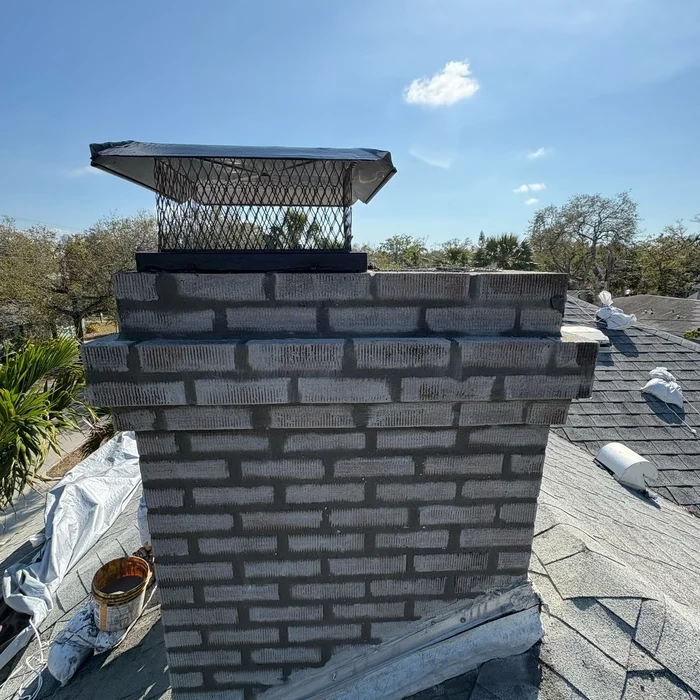
One of the most frequent culprits is a blockage in your chimney. Bird nests, leaves, debris, or creosote buildup can restrict airflow and prevent proper drafting. Even a missing or damaged chase cover can allow debris and moisture to enter your chimney system, leading to blockages over time.
Inadequate Chimney Height
Your chimney needs to be tall enough to create sufficient draft. If nearby trees, additions to your home, or siding installations have changed the roofline, your chimney may no longer extend high enough above the roof to function properly.
Cold Chimney Syndrome
When your chimney is extremely cold, especially during Tampa’s cooler months, the cold air inside can create a downward draft. This is particularly common in chimneys on exterior walls or those that haven’t been used in a while.
Negative Air Pressure
Modern, well-insulated homes can sometimes be too airtight. When exhaust fans, dryers, or HVAC systems are running, they can create negative pressure that pulls air down your chimney instead of allowing smoke to rise.
Quick Fixes and Solutions
Professional inspection and cleaning should be your first step. A certified chimney professional can identify blockages, structural issues, or damage that’s affecting your draft.
For immediate relief, try priming your chimney by lighting rolled newspaper and holding it up in the firebox to warm the flue before starting your main fire. Opening a window near the fireplace can also help equalize air pressure.
Regular maintenance, including annual inspections and cleanings, prevents most drafting problems before they start. Don’t ignore drafting issues—they can lead to dangerous carbon monoxide buildup in your home.